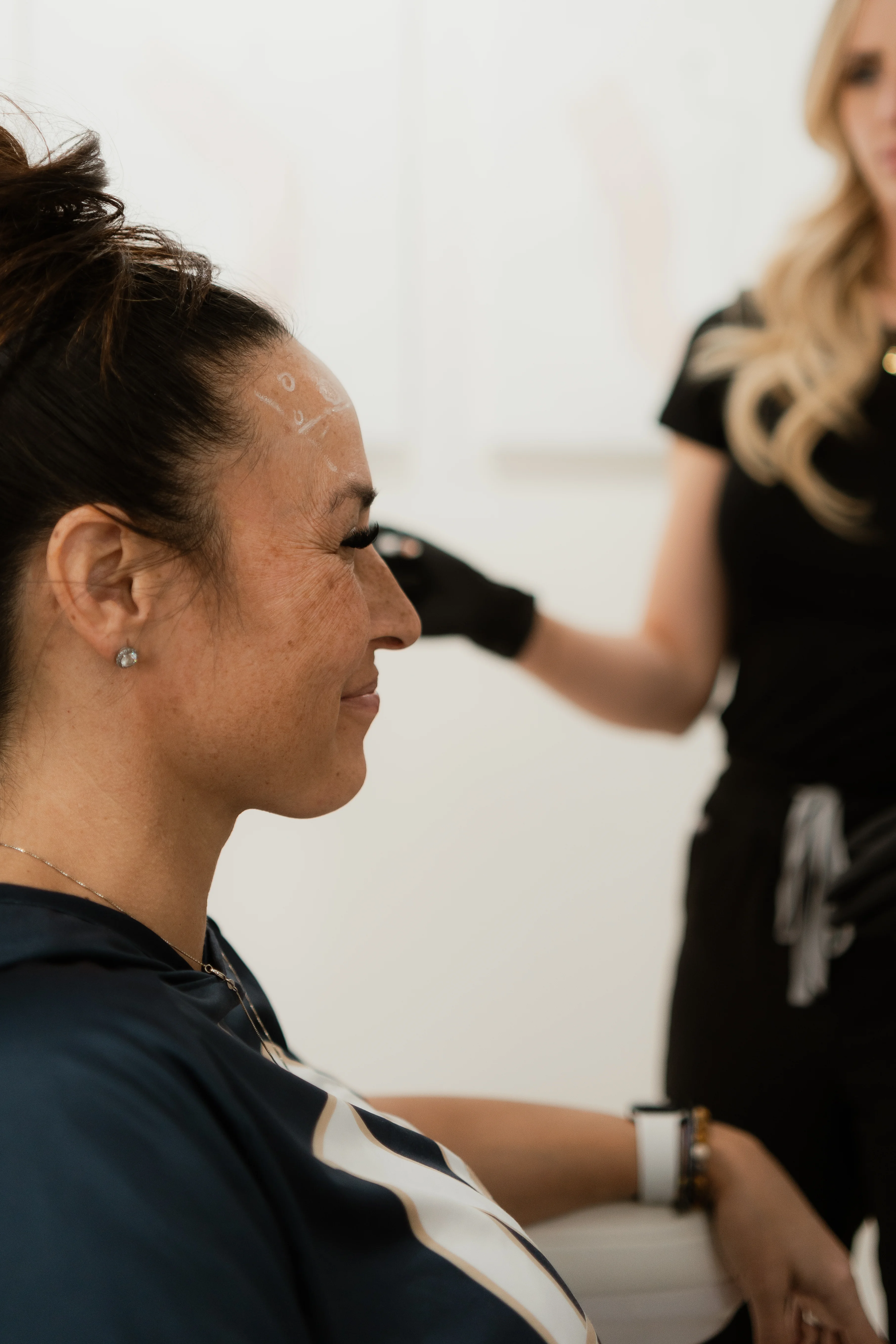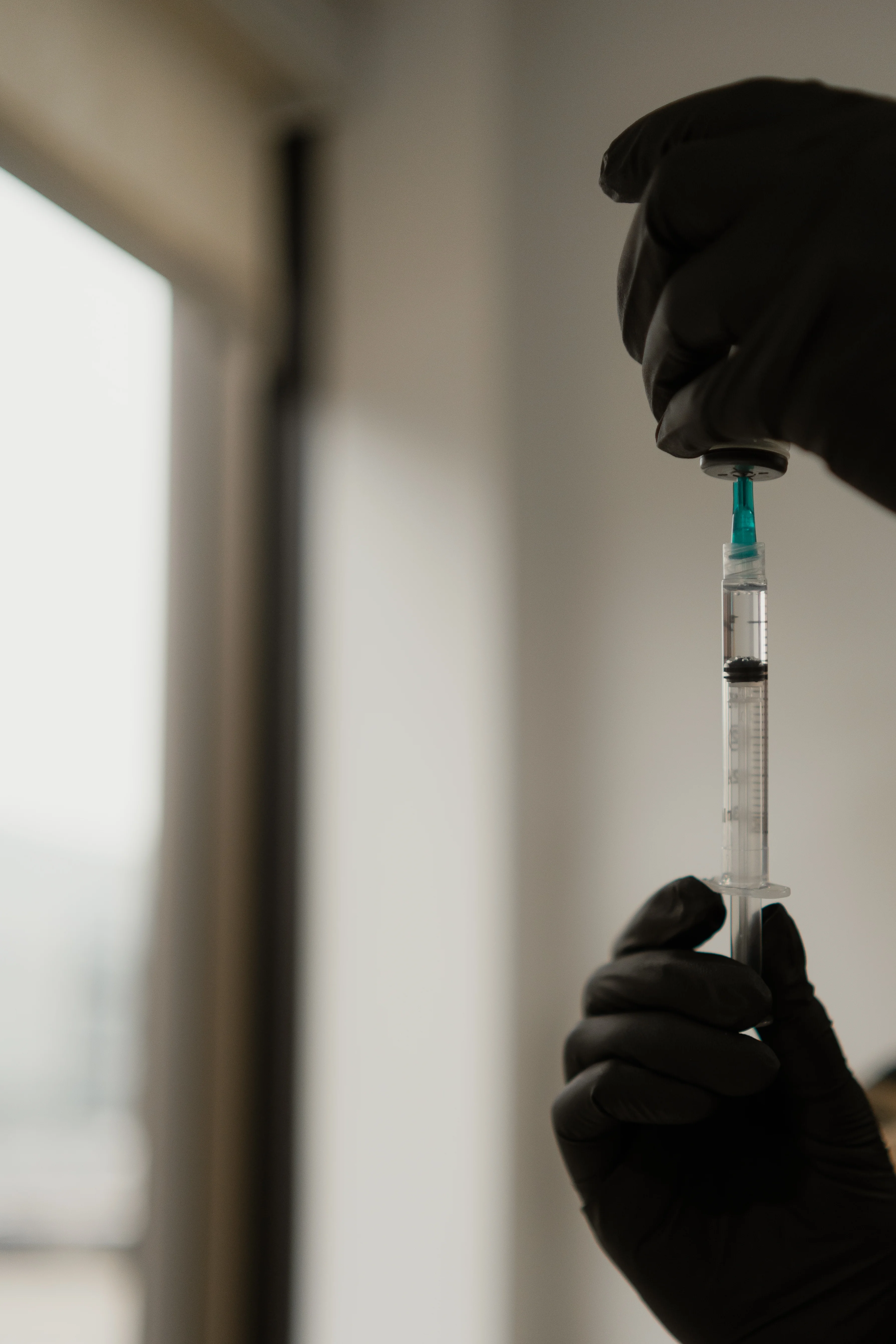
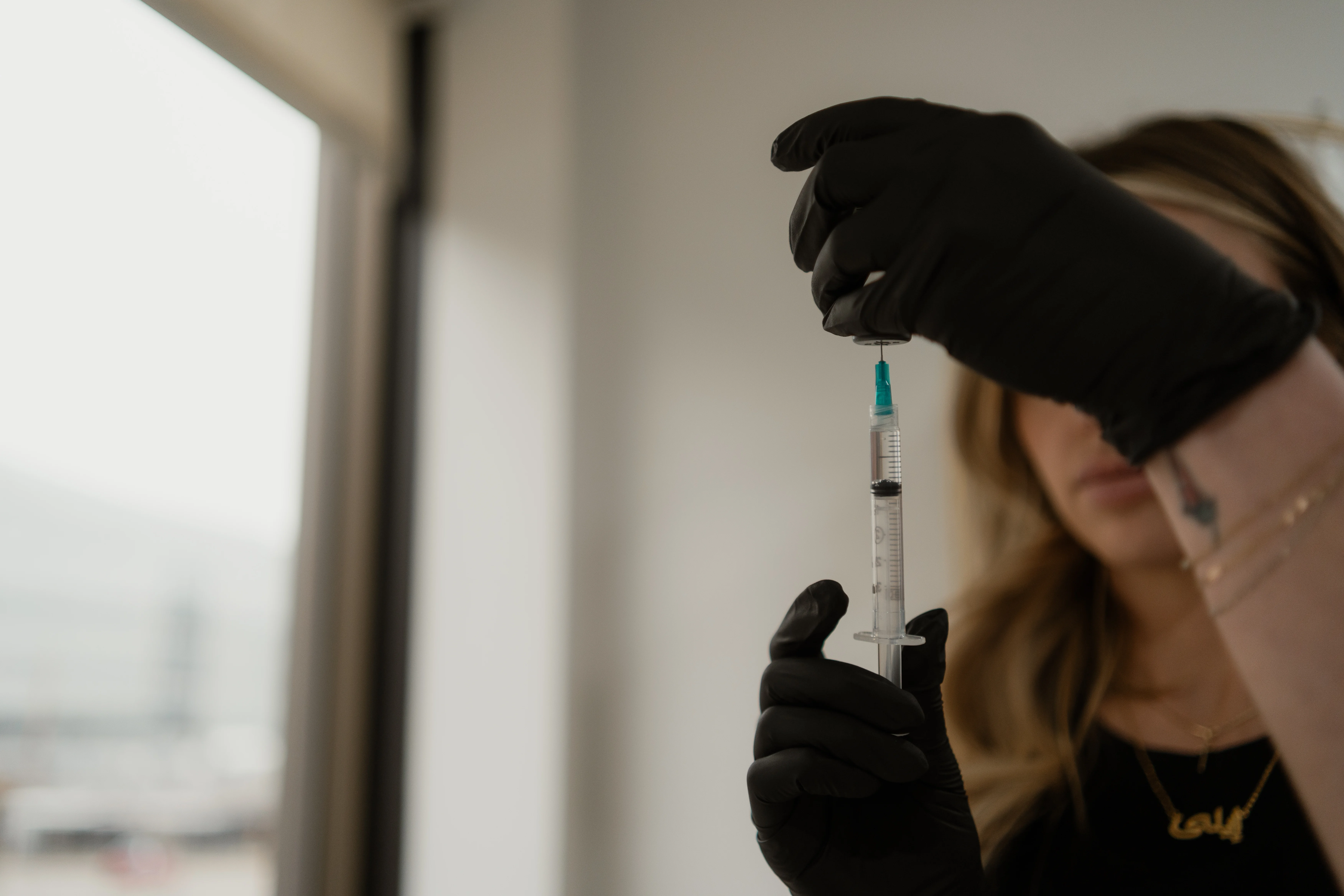
Modern weight-management medications have transformed the landscape of medical weight loss. Originally developed for type 2 diabetes management, this class of FDA-approved medication has demonstrated remarkable effectiveness for weight management. At Nurture Wellness & Aesthetics, we take a comprehensive, medically supervised approach to help you achieve sustainable results.
What Are Weight-Management Medications?
These medications work with a hormone your body naturally produces in your gut after eating. That hormone plays several important roles: it signals your brain to feel full, slows down stomach emptying so you feel satisfied longer, and helps regulate blood sugar levels. Modern weight-management medications mimic this natural hormone but last much longer in the body, providing sustained appetite regulation throughout the day.
How They Promote Weight Loss
These medications work through multiple mechanisms to support weight loss:
- • Appetite reduction: They act on brain receptors that control hunger, significantly reducing appetite and food cravings
- • Delayed gastric emptying: Food stays in your stomach longer, keeping you feeling full between meals
- • Blood sugar regulation: Stable blood sugar means fewer energy crashes and sugar cravings
- • Improved insulin sensitivity: Better metabolic function supports more efficient fat burning
- • Reduced food noise: Many patients report that the constant mental chatter about food simply quiets down
Comparing Your Medication Options
Weight-management medications differ in how they work. Some target a single receptor pathway, while newer options act on multiple receptors at once for a more comprehensive effect on appetite and metabolism. During your consultation, your provider will determine which medication and dose best fits your goals and health profile.
Our Approach at Nurture
Our medical weight loss program is far more than just prescribing a medication. We believe in a comprehensive approach that includes thorough initial consultation and baseline lab work, starting with microdoses to minimize side effects, peptide integration for improved body composition, ongoing monitoring and dosage adjustments, and nutritional and lifestyle guidance to support long-term success.
What to Expect During Treatment
Treatment begins with a consultation and required lab work (arranged through your primary care provider or a third-party lab, $90 to $250 by panel) to ensure these medications are safe and appropriate for you. You'll start with a low dose administered as a weekly subcutaneous injection, preferably at night on an empty stomach. Over 4-12 months, your provider will monitor your progress, adjust dosing, and provide ongoing support.
When you're within 5-10 pounds of your goal weight, we begin gradual weaning with 4-8 week cycling to maintain receptor sensitivity. This supervised approach prevents the rebound weight gain that can occur when medications are stopped abruptly.
Common Side Effects
The most common side effects are gastrointestinal: nausea, reduced appetite, and occasional digestive discomfort. These typically improve over time and are minimized by our microdosing approach. Starting low and titrating slowly is key to a comfortable experience.
Is This Medication Right for You?
These medications may be appropriate if you have a BMI of 30 or greater, or a BMI of 27+ with weight-related health conditions. They're also beneficial for patients who have struggled with traditional diet and exercise approaches. However, they require commitment to lifestyle changes, regular monitoring, and a willingness to engage in the full program, not just the medication.
What a GLP-1 Weight-Loss Program Looks Like in Denver
GLP-1 medications mimic a gut hormone that signals fullness, slows digestion, and helps steady blood sugar. Two FDA-approved options lead the field: semaglutide and tirzepatide. Tirzepatide also activates a second receptor, GIP. Nurture can prescribe either one and usually starts patients on tirzepatide. A supervised Denver program adds what a prescription alone can't: baseline labs, monthly in-person dose checks, and a real taper plan, not just a script. For background, see the NIH guide to weight-loss medications and the FDA approval announcement for semaglutide.
At Nurture Wellness in Cherry Creek, compounded tirzepatide is priced by dose, with a $100 consult credited in full toward month one. On a lower dose or a micro dose, your medication lasts longer, which lowers your monthly cost. The program runs in four steps:
- 1. Consultation, labs, and candidacy review: health history and baseline labs confirm the medication is a safe fit.
- 2. Start at the lowest dose: a weekly injection, with in-office training on technique.
- 3. Monthly monitoring and dose titration: your provider adjusts the dose and tracks progress at each visit, not remotely.
- 4. Gradual weaning: dose cycling begins once you're within 5 to 10 lbs of goal weight, to help protect results.
Full pricing, required labs, and candidacy detail are on our tirzepatide weight-loss program page.
How much does a GLP-1 program cost in Denver?
That depends on your dose, and we won't guess at it over the phone. Your provider looks at your labs and goals first. Then, at your first visit in our Cherry Creek studio, you get your exact price, and it covers the medicine, your provider's care, and a visit every month.
Is GLP-1 weight loss covered by insurance?
Not for weight-loss use. If you have type 2 diabetes, these medications have separate, insurance-eligible brand names, so ask your primary care provider.
What labs are required before starting?
A comprehensive metabolic panel, CBC, A1C, fasting insulin, vitamin D and B12, a lipid panel, and a full thyroid panel. Labs are arranged through your primary care provider or a third-party lab ($90 to $250 by panel).
Curious whether a medical weight loss program could support your goals? Schedule a consultation to discuss your options with our medical team.